Wednesday, October 16, 2019

Stay Healthy When Visiting Petting Zoos


This time of year, you will find many holiday activities that include festivals, fairs, carnivals and many times, petting zoos. Many kids get excited to pet and feed the animals, but if they are not cautious, they can potentially become sick. Between 2010 and 2015, there were over 100 confirmed outbreaks of illnesses associated with petting zoos. The most common germs that people encounter include E. coli, Cryptosporidium, and Salmonella, but there are many other types of germs that can be spread between people and animals.

Who is the most at risk?
Children under 5 years of age as well as adults over the age of 65 are more likely to get sick from germs carried by animals. Those with a weakened immune system are also more at risk and should take extra precautions at petting zoos. Petting animals can be a fun activity if you practice safety first to ensure no one gets sick. After petting any animal, you need to make sure you wash your hands with soap and water. Not washing your hands or eating or drinking in the petting area increase your chances of getting sick.

How to Keep Loved Ones Healthy
Keep these important tips in mind when visiting petting zoos or anywhere where you can meet the animals.

·         Wash your hands right after touching the animals. Even if you do not touch the animals, but you go into their habitat, it is still important to wash your hands.

·         When it comes to washing your hands, soap and water works best! If you cannot find a hand-washing area nearby, then using an alcohol-based hand sanitizer that contains at least 60% alcohol will work as well. But make sure to wash your hands as soon as you can.

·         Do not eat or drink around animals and keep food and drink out of the areas where animals are kept. It is also important to make sure you do not share your food with the animals.

·         Always make sure to supervise children when they are around the animals.

·         Do not let children sit or play on the grounds where the animals stay or live.

·         Do not let children put anything in their mouths including fingers or an object such as a pacifier.

Visiting pettings zoos can be incredibly fun and educational, but we want to make sure it’s safe for all those involved too! If you are concerned that you might have fallen ill after visiting a petting zoo, call the poison center hotline for assistance at 1-800-222-1222. The poison centers can answer any of your questions and assist you with any poisoning concerns.

Monday, September 9, 2019

What you Need to Know about the Dangers of Vaping


E-cigs, vapes, e-hookahs, vape pens, mods, tanks and electronic nicotine delivery systems (ENDS). What do these devices all have in common? They are all a form of e-cigarettes that people utilize for “vaping” or “juuling”. When these devices first came out, it was widely speculated that vaping was safer than smoking a regular cigarette. But as time goes on and more reports on vaping come to light, utilizing vaping devices for smoking could potentially be incredibly dangerous.

E-cigarettes can contain harmful substances that can include nicotine, heavy metals such as lead, volatile organic compounds, and cancer-causing substances. Some of these e-cigarette products are also used to deliver illicit or illegal substances such as THC or cannabinoid compounds. Furthermore, data has also shown many THC based vaping products are created illegally and there is no way for officials to regulate the products or know what ingredients are included. This makes it even harder to identify what is the ultimate culprit in these vaping products that is causing potentially life-threatening pulmonary illnesses.

As of September 6, 2019, the CDC has reported 450 possible cases from 33 different states including five deaths regarding pulmonary illnesses that have been linked to vaped nicotine or cannabis-related products. Many of these cases involving patients falling ill used cannabis-derived vaping products. A few reported using nicotine-based only.

Symptoms reported include:
·         Cough, shortness of breath, or chest pain
·         Nausea, vomiting, or diarrhea
·         Fatigue, fever, or weight loss

Some patients stated that symptoms came about within a few days, while others have reported that their symptoms developed over several weeks. The CDC stated that no infectious causes have been identified at this time, but they believe it has to do with some type of chemical exposure. To view the preliminary research by the CDC so far, please click on this link. Health officials are urging people to stop using vaping products until more data is available.

If you or someone you know is having any of these symptoms or have any concerns about this issue, please call the Texas Poison Center Network for assistance and/or information at 1-800-222-1222. They are available 24 hours a day, 7 days a week to answer your concerns. 

To view PSAs created by the Upstate New York Poison Center, click on the links below. 

Students can view the video here: https://youtu.be/0mS9bnUGQGo
Parents can view the video here: https://youtu.be/8OxUpuPIfaA


Friday, August 30, 2019

Be Prepared, Not Scared, During National Preparedness Month


With hurricane season upon us, it’s a great time to be reminded of why being prepared for a national disaster is so incredibly important. September is National Preparedness Month, which promotes family and community disaster and emergency planning now and in the future. This year’s theme is “Prepared, Not Scared”, and the Texas Poison Center Network wants you to know we are here to help with any questions you may have during natural disasters.  See the tips below that will help you create a kit to keep you and your family safe. 


Emergency preparedness involves four important steps:
  • Get or create a disaster preparedness kit (Check out this list from Ready.gov: https://www.ready.gov/build-a-kit).   
  • Make a plan so your family knows what to do when a disaster happens; then practice this plan with your family. (Check out this family communication plan from FEMA which is available in multiple languages: https://www.ready.gov/make-a-plan
  • Sign up for alerts in your area and preparedness tips from FEMA (Follow this link for more information: https://www.ready.gov/get-tech-ready). 
  • Get involved in preparing your community (The National Voluntary Organizations Active in Disaster have worked tirelessly to assist communities since 1970 that are affected by disasters; learn how you can help by visiting their website at this link: https://www.nvoad.org/). 


How can the Poison Centers help during disasters? 

 If there is concern regarding a chemical or biological attack, the staff at each of the poison centers has widespread knowledge of healthcare resources and works closely with hospitals to ensure that patients receive the necessary treatment. Experts are able to identify what antidotes can help, as well as provide education to both the public and healthcare professionals.
 Poison center staff handles acute and chronic poisonings, including environmental and occupational exposures on a daily basis. This is a helpful resource because the specialists in poison information who answer your calls have expertise in toxicology.
 Poison centers collect data. The data collection system can assist in the detection of diseases and help track individuals who might have been exposed to a hazard. 
 Poison centers assist in alleviating fears. As a 24 hour resource, you can contact them at any time with concerns or issues. No question is too small and the poison specialists are happy to assist with any and all poison-related calls.  

The Poison Help Hotline is such an important resource to the community and the best part is it’s available 24/7 for FREE! Call 1-800-222-1222 and put your mind at ease when dealing with any natural disaster, emergency, or any other poison related issue. 

Wednesday, August 14, 2019

Back to School Poison Control Safety


Back to school means prepping! It may start with purchasing new school supplies and maybe even some new clothes in order to get back into the swing of learning! But it also means making sure you are prepared for poison emergencies.

Here are some tips from the Texas Poison Center Network to make sure this school year stays poison-free:

1.  Medications- Unfortunately, most poisonings involve medications. Remember, it is never a good idea to send medications in your children’s backpack. If you child needs to take medication during the day, talk to the office staff about the school’s policy on bringing and administering medications. For older children, remind them to never take any medication offered to them or that is not prescribed to them. Let your children know that one of the risks of sharing medications is not always knowing what is in the medication that is being shared. Always keep medications locked, out of sight and out of reach of children.

2.    School Supplies- It is a good idea to sit down with your young children and remind them that supplies they use at school such as crayons, glue, markers, and glitter should be kept out of their
mouths and should only be appropriately as the teacher has them do. It is important to educate older children on the potential danger of ingesting or inhaling some of these items simply because a friend dared them, etc.

3.    Cleaning Supplies- While most cleaning supplies in classrooms are out of reach of children, some are accidentally left in an area that is within reach and can be dangerous for children if ingested. This includes items like hand sanitizer. While hand hygiene is important to reduce the spread of bacteria, it is also important for adults to monitor it’s use, since it contains alcohol and other ingredients that can cause intoxication, vomiting or worse.

4.    Program the Poison Control Helpline in your phone. If you suspect a poison emergency, please contact 1-800-222-1222. Commit the number to memory and try to teach your kids the number as well. You never know when you might need it!

The TPCN hopes your children have a great school year and stay safe from poisonings of any kind. But if you do find yourself needing poison control, remember poison control experts are available to provide assistance and advice 24 hours a day, 7 days a week, including holidays so never be afraid to reach out for help.

Wednesday, July 31, 2019

SPI Spotlight Blog: Orly from North Texas Poison Center


1.    Tell us a little bit about yourself and how you got involved in poison control.

My name is Orlando, but family and friends call me Orly. I was born and raised in Union City, New Jersey and moved to Dominican Republic to study medicine. This is where I met my wife Anelle. We have 3 kids; Katelyn 14, Alekzander 6, and Audrey 5 and 2 Dogs Mason and Khloe.
After graduating from Med School, we moved to Miami, Florida. This is where I began working at the poison center.  I have been working as a SPI for the last 11 years.
 
2.    When did you join the North Texas Poison Center?

We moved to Dallas and joined the NTPC in 2013 and we couldn’t be happier.

3.    What do you like to do in your free time?

On my free time I'm with my family or either enjoying my hobbies which include exercising and training in Martial Arts Jiu Jitsu.

Friday, June 14, 2019

The Dangers of Pool Chemicals Left Unattended


The Center for Disease Control and Prevention (CDC) recently shared some frightening statistics regarding pool chemicals. Home pools make up over 56 percent of the injuries reported to the CDC and more than a third of these injuries involve children and teens. Pool chemicals put many people at risk for poisonings especially children and the Texas Poison Center Network wants you and your loved ones to be aware of what can happen when you encounter some of these toxic substances.
Did you know that pool chemical exposures send roughly 4,500 people to an emergency room every year? Luckily, these emergency visits can be preventable and all it takes is a little effort to safely store these chemicals locked up, away and out of reach.
What Makes Pool Chemicals Dangerous?
Pool chemicals, such as chlorine and bromine, are usually added to pools to treat the water and protect swimmers from spreading germs or causing illness outbreaks. Chlorine can also dry and irritate the skin. There are other pool chemicals you can find around hot tubs, saunas, and spas which help with disinfecting the water, stopping corrosion, protection from algae growth and improving overall water quality. If any of these chemicals are left out, they can fall into the wrong hands which can become a very unsafe situation. All these chemicals are dangerously toxic in high amounts.
Pool chemical poisonings can occur by breathing in the chemical fumes or gases when opening the containers which can cause shortness of breath, especially to those with asthma. Other injuries have occurred when pool chemicals are not secured, and children touch them or when people enter a pool too soon after chemicals have been added.
Safety Measures
Always keep pool chemicals stored up high and away where children cannot reach or get to them. It is also good to keep them in a locked container. If you are adding chemicals to a pool, make sure to wear safety goggles and gloves, and any other recommended safety equipment listed on the product labels. The CDC does not recommend mixing pool chemicals, especially when it comes to chlorine and acid. You can learn more about pool safety and pool chemicals at the CDC website link: https://www.cdc.gov/healthywater/swimming/aquatics-professionals/pool-chemical-safety.html.
If you or someone you know might have been injured or poisoned by coming in contact with any pool chemicals, please do not hesitate to give the Texas Poison Center Network a call for assistance. We are here 24/7 to take your calls and assist you with your poison needs at 1-800-222-1222.

Friday, May 24, 2019

Bites and Stings to Look Out for in Summertime


As the weather heats up and kids get out of school for summer, more time is spent outdoors working and playing. The summer months can be full of fun, but it is also a time when bugs and snakes come out and while most are harmless, there are a few that can hurt you. Dangerous and venomous bugs such as wasps and spiders are important to keep a lookout for when being outdoors. There are also a few poisonous snakes to be aware of in case you ever come across them in the wild. The Texas Poison Center Network (TPCN) wants you to know the dangers of encountering these bugs and snakes in order to keep you and your family poison-free!

Creepy Crawlers in Texas
Lots of little kids love bugs and enjoy touching and learning about them. Seeing kids’ curiosity about bugs can be endearing, but it’s important to be aware that some bugs can cause pain. Below the TPCN has compiled a list of some of the most prominently known bugs to lookout for in Texas when it comes to bites and stings, so make sure to share this information with kids or anyone playing or working outdoors.

Bees and Wasps
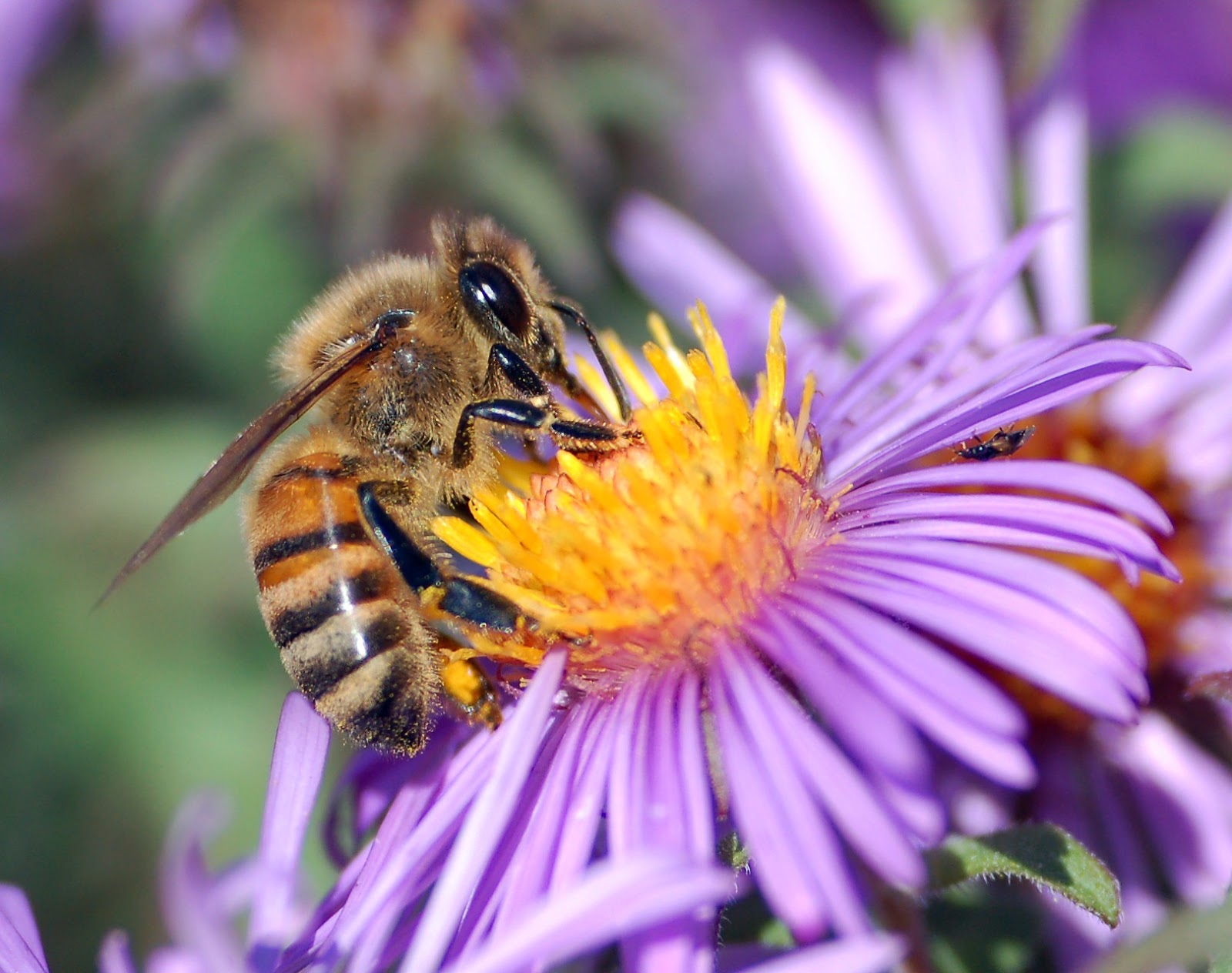
Honey Bee
You might have noticed some wasps, yellow jackets, bees or hornets buzzing around your home. If so, they most likely have built a nest somewhere on the outside of your home or in hollow places that do not get disturbed. When it is light out, look around your home to see if you can find the nest. If so, you should call a professional to take care of it. Never try to remove the nest yourself. If the nests are not taken care of, there can be dangerous consequences, especially for those who have allergies to these stings. 

Spiders
Black Widow
Most spiders are harmless to humans. But in Texas there are two spiders to watch out for and they are the brown recluse and the black widow. These spiders are known to hang out in dark areas where there isn’t much draft. The only time they might bite is if they feel threatened. Unfortunately, with most spider bites, you won’t even feel them. That is why it is important that anytime you find a suspecting bite on your body or your child’s, that you call the poison center for assistance and treatment recommendations.

Mosquitoes
Brown Recluse
Mosquitoes are some of the peskiest bugs out there, but they are relatively harmless as long as you cover yourself up with repellent. They can carry some yucky diseases, though, including West Nile Virus and malaria. The best way to avoid mosquitoes around your home is to get rid of any standing water, including bird baths. Standing water is the way mosquitoes breed so ensure you dump out all standing water, especially after it rains. Mosquitoes are most active in the early evening so if you need to go out at this time, make sure you use mosquito repellent and cover all exposed areas of skin.

Ticks
Ticks can be found in dense brush and wooded areas. If you plan on taking a hike or going around heavily wooded areas, make sure to cover your skin with clothing to help eliminate chances of a tick biting you. Also, safeguard by using tick repellent where skin is visible to eliminate chances of being bit. If you do find a tick embedded in your skin, the best thing you can do is remove it with tweezers. Call the poison center at 1-800-222-1222 for information on how to remove it or treat the open wound it can sometimes leave behind.

Snakes to Look Out for in Texas

Cottonmouth
Cottonmouth
A cottonmouth snake can reach lengths of up to five feet long. Commonly called a water moccasin, these snakes enjoy being near bodies of water and are usually a dark black color with wide bands over its body. It is known to be aggressive so keep your eyes open when playing by lakes, ponds and rivers.

Rattlesnake
Rattlesnake
The Western Diamondback rattlesnake is one of the most common snakes you will find in Texas. It can reach lengths of up to seven feet and has a triangular-shaped head. They spend most of their days hiding in low-growing shrubs or rocks This snake is most known for their rattle, but it is also covered in a diamond-shaped pattern, which is where it gets its name. They don’t tend to be aggressive, but if their habitat is disturbed or threatened they can be, so keep your eyes peeled when out on hikes in wooded areas.

Copperhead
Copperhead
Copperheads reach about 30 inches long and their color consists of a reddish-brown head with coppery bodies. These snakes aren’t known to be aggressive. Most people who have been bitten only get bitten by accidentally stepping on them. They easily blend in with vegetation and dirt making it easy to step on one. Make sure you are aware of your surroundings and where you are walking when in wooded or park areas.

Coral Snake
Coral Snake
This snake is the most colorful of the bunch, only reaching about 2 feet in length. They are easier to spot due to their bright red, black and yellow rings on their bodies. Coral snakes can be extremely dangerous due to their venom, especially if they bite a child. Their mouths can be fairly small, so they have an easier time of biting children than they do an adult. It is best to avoid these snakes and remember the saying: Red touching yellow, kills a fellow, while red touching black, venom they lack!

Remember, if you run across any of these snakes or bugs and happen to get bitten or stung, please do not hesitate to contact a poison center for help at 1-800-222-1222. They are always there, always free and can provide help on how to treat the bite and more. You can also visit www.poisoncontrol.org to read more information on bites and stings.