Wednesday, November 29, 2023

Navigating Cleaning Methods for a Healthy Home in Texas

 In the ever-shifting climate of Texas, weather changes are frequent and, many of us find ourselves in a constant battle against a barrage of illnesses. The steady influx of friends and family into our homes has elevated cleanliness to a constant priority. However, not all cleaning methods are created equal. Understanding the nuances between cleaning, sanitizing, and disinfecting is crucial for maintaining a healthy home in the Lone Star State. 


Cleaning: 

At its core, cleaning is a method of removing dirt and germs from surfaces using soap and water. To maximize germ removal, gentle scrubbing is essential. Practical alternatives like repurposing old dish towels or torn-up cloth shirts as cleaning cloths are not only cost-effective but also eco-friendly. For delicate surfaces, microfiber cloths prove to be particularly effective in ensuring a thorough yet gentle clean. 


Sanitizing: 

A step beyond cleaning, sanitizing, aims to reduce the number of germs on surfaces. Store-bought cleaning solutions are a common tool in this method; particularly in spaces like restaurants, schools, and daycares. Adherence to specific rules set by public health departments is crucial. These regulations play a pivotal role in curbing the spread of diseases within local communities. 


Disinfecting:

The most potent cleaning method, disinfecting, involves the destruction of germs on surfaces. While effective, it's important to note that disinfectants can have side effects, especially for vulnerable household members. Personal sensitivities, such as headaches triggered by bleach, emphasize the need for caution. Homes with pets, especially birds, require special consideration due to their sensitivity to certain chemicals. For those with chemical sensitivities, products bearing the "Safer Choice" label provide a reliable alternative, ensuring safety for both the environment and humans. 


Safe Usage Practices: 

Regardless of the chosen cleaning product, strict adherence to usage instructions is paramount. Some products necessitate a specific duration for effective disinfection, while others may require the use of personal protective equipment to prevent skin contact with potentially harmful chemicals. Post-cleaning hygiene practices, such as handwashing, are crucial. Additionally, keeping cleaning products out of the reach of children and pets is a non-negotiable safety measure in any household. 

In the face of Texas' dynamic weather and health challenges, mastering the art of effective cleaning is not just a task; it's a necessity. Whether opting for traditional cleaning methods, embracing sanitization, or wielding the power of disinfectants, a nuanced understanding ensures a healthier and safer home environment for all. Choose wisely, follow instructions diligently, and revel in the assurance that your home remains a haven of well-being amidst the unpredictable Texan weather.


If you have a poison question, or a poison emergency call the Poison Help Line at 1-800-222-1222.


Wednesday, November 15, 2023

Breaking Bread in 19th Century England

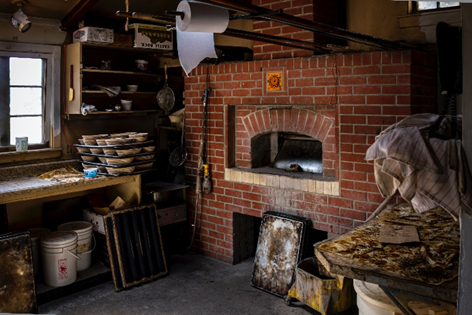
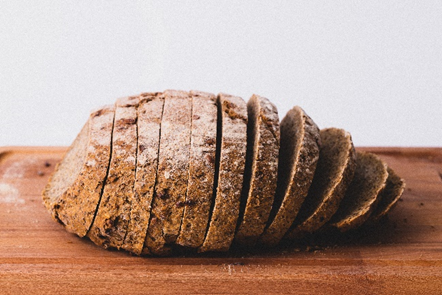
Breaking bread with friends and family is a sacred tradition. Soon, many families will break bread to honor a year of thanks. However, in 19th century England, breaking bread often came with stomach upset and other more serious illnesses. This is because cost- saving measures often meant that the products that consumers bought were not always pure. They were often mixed with cheaper ingredients to increase profits for sellers. Flour was rumored to be mixed with other ingredients such as alum, gypsum, plaster of Paris, and bone ash.

Photo by Jude Infantini on Unsplash


Eventually, in 1836, a British law was created that limited the ingredients used to bake bread. In 1850, the Lancet medical journal found that all the samples of bread that they tested contained alum. Alum can cause nausea and stomach upset if it is ingested. A severe case of flour contamination was reported when a baker requested lead chromate from a druggist. The druggist mistakenly gave the baker arsenic sulfide. Two children narrowly escaped death because of the mishap.


Photo by Wendell Shinn on Unsplash

Beginning in the 1850’s, scientists from various backgrounds banded together to fight for laws that would ensure safer foods for the public. The biggest change came when the Sale of Food and Drugs Act of 1875 was passed. By 1900 the mixture of foods with harmful substances had declined.

As we break bread during the holiday season remember to give thanks for legislation that promotes safer foods for our communities and our families.

If you have a poison question or poison emergency, call 1-800-222-1222


Monday, October 2, 2023

Tips To Prevent Poisoning


When to Discuss Poison Prevention 

The topic of poison prevention can be brought up at any time: during family dinners, while driving your children to soccer practice, in conversation with older adults about their medications, at parent-teacher meetings, or at community events.

Safety Measures

Make sure all medicines, cleaning products, chemicals, and potential harmful cosmetics, such as nail varnish, are locked away, out of sight and out of reach of children.


Do not store medicines, cleaning products or chemicals near food items to avoid accidental ingestion.


Button batteries, found in watches and musical greeting cards can be easily swallowed.

Keep these batteries and the devices that use them out of children’s reach.


Never administer or take medicine in the dark to avoid incorrect dosages.


Keeping cigarettes and tobacco, and vaping equipment out of children’s reach. Also, avoid smoking or vaping in front of children.


Always store chemicals in their original containers. Never place medicines or chemicals,

Like weed killer in soft drink bottles.


Single use detergent pods or liquid laundry detergents are easily swallowed and dangerous. Keep them on a high shelf or in a similar location where young children cannot reach them.


Get a carbon monoxide alarm for each room of your home that contains appliances that burn gas, oil, coal, or wood.


For Halloween, remind children that it’s important for an adult to check all treats before they eat them. During the winter season, discuss with your friends and family the importance of keeping mistletoe out of the reach of young children and pets.

During National Poison Prevention Week, the third full week of March each year, consider partnering with your local poison center to educate your community about the risks of poisoning and how to prevent them.

Make sure everyone knows what to do if a poisoning happens: Right away call the toll-free Poison Help line (1-800-222-1222), which connects you to your local poison center.


Tuesday, August 8, 2023

Water Beads: Are they poisonous, dangerous or both?


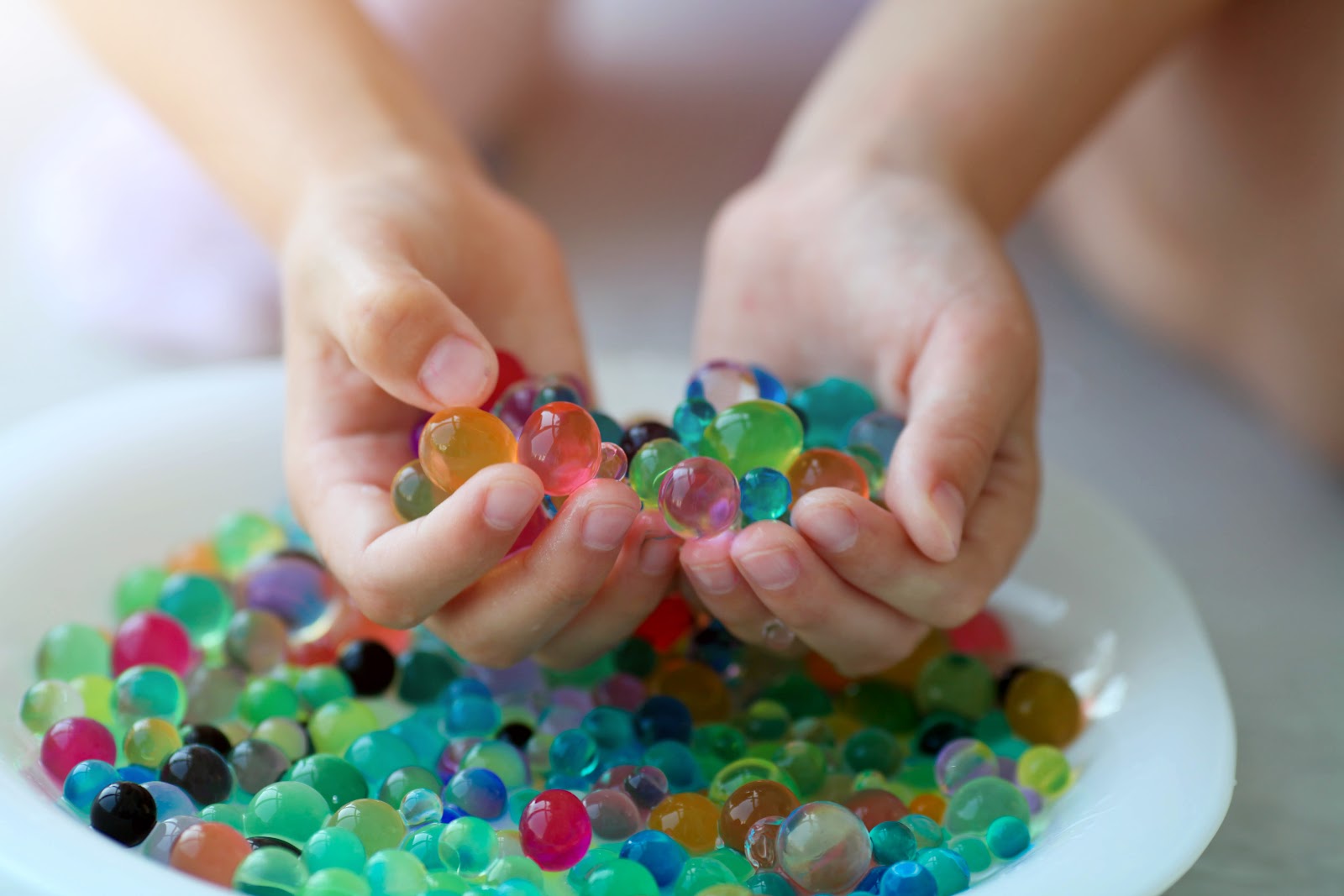
Water beads have been around for quite a while now, mostly to keep household plants moist and as decoration in flower arrangements.  More recently, however, they have been marketed and sold as a sensory toy for children.  Water beads are made from super-absorbent polymers, which can bind with water or other fluids to grow 10 to 1500 times their own weight. Some beads are smaller than others when dry, but once placed in water, can get as big as a large marble. There are many different brands of colorful water beads, but they can all easily resemble candy, gum, or boba, making them attractive to swallow.   Even though they are labeled as non-toxic, they can be a hazard if swallowed because they are not digested by the human body.   

Swallowing water beads can be a choking hazard, and in large quantities, can cause life-threatening conditions.  The beads can absorb the fluid found in the stomach and expand to a size that might cause a blockage in the intestine.  A blockage can prevent fluids or food from passing through. It can take a few hours for a blockage to occur, as it takes time for the water beads to move through the digestive system and absorb fluids. Intestinal blockage often requires hospitalization and surgical removal of the water beads. The water beads are not always noticeable on x-rays or other imaging, so it is important to let doctors know if a person had access to or could have potentially swallowed water beads. 

Some of the warning signs of an intestinal blockage may include:  

·   Belly bloating, pain, discomfort, and/or anxiety

·   Trouble swallowing or refusing to eat

·   Nausea and vomiting                                                                        

·   Unable to pass stool or gas

·   Complaints that something is stuck in their throat or chest      

·   Increased drooling  

If water beads are placed in the nose, there is a risk of blockage of the nasal passage.  If placed in the ear, there is a risk of blockage of the ear canal once the beads expand. In both instances, this might require a trip to the pediatrician or emergency department for removal.  Water beads have the potential to cause significant damage to the structure of the ear leading to permanent hearing damage. 

If you have water beads at home, it is important to follow these simple prevention tips to help keep little ones safe. 

•  Always supervise children when playing with water beads

•  Only allow children to play with the expanded, wet beads (not in the smaller dry form)

•  Follow the product age recommendations and keep them out of reach of younger siblings

•  Remind older children not to put them in their mouth, nose, or ears

•  Sweep or vacuum the play area after each use

•  Store water beads in an air-tight container and out of reach and sight of children and pets

•  If you believe that someone has swallowed water beads, call the poison center at 1-800-222-1222

•  Review the Consumer Product Safety Commission website for additional information