Wednesday, August 26, 2020

Be Safe and Don’t Mix Cleaning Supplies

During a pandemic, fears can sometimes get the best of us. Many Americans are cleaning and disinfecting more than ever to ensure they, and their loved ones, stay healthy. Keeping items clean in the home is a good idea but try not to get too creative in how you clean. If you mix certain cleaning supplies, it can be a bad combination. 

While most cleaning products are safe when used as indicated, if they are mixed with other products, it can cause a chemical reaction that can result in potentially toxic fumes and even explosions. Remember to ALWAYS read the label and warnings thoroughly. Here is a list of some household items you should never mix:

1.       Bleach and Ammonia: When these are mixed together, they can produce a toxic gas called chloramine. This toxic gas can cause irritation to your eyes, nose, throat, and lungs and can even be deadly. If you do accidentally mix these two chemicals together, get out of the room immediately and into fresh air and call the poison center right away.

2.       Bleach and Vinegar: Both products are powerful on their own. Mixing bleach and an acid like vinegar can create a chlorine gas that can be very toxic and potentially deadly at high levels. It can cause breathing issues, coughing, and burning/watery eyes.

3.       Baking Soda and Vinegar: While these two chemicals mixed together turn into mostly water, if they were contained in a tight container, they could explode.

4.       Hydrogen Peroxide and Vinegar: Many people use these two separately to clean fruits and countertops.  What you do not want to do is mix these two chemicals together. By combining them in the same container, it creates a peracetic acid. This toxicity can cause irritation to the lungs, eyes, and nose.

5.       Bleach and Rubbing Alcohol: These two chemicals together cause a nasty chemical called chloroform. It can cause irritation to your nose and eyes and can be a toxic mix. You are probably seeing a theme here: do not mix anything with bleach!

6.       Drain Cleaner and another Drain Cleaner: Never mix two different types of drain cleaners. These are packed with powerful chemicals and if mixed can cause explosive reactions.

7.       Pesticides and Water: Some pesticides, when mixed with water, can create a deadly phosphine gas. Make sure to read the labels when using pesticides and follow the directions carefully. 

There are many other combinations of chemicals that can be harmful.   If you find yourself in a situation where you have mixed chemical agents, either on purpose or by mistake, please do not hesitate to call the Texas Poison Center Network at 1-800-222-1222. They can answer your questions or concerns 24 hours a day, 7 days a week. You can also visit their website at www.poisoncontrol.org.

Monday, August 10, 2020

Be Cautious with Gummy Vitamins

Vitamin gummies are very popular. If you can find a vitamin, you can most likely find it in gummy 


form these days as well. Their similarity in taste and texture to candy gummies can make them very enticing to children. While this encourages children (and adults!) to take their vitamins, it also raises concerns that children might take more than recommended thinking that it is candy. Since the COVID-19 pandemic reached the U.S., the Texas Poison Center Network has seen a 55% increase in calls involving children and vitamins compared to the same time last year. That’s why it is incredibly important to keep any vitamin, especially gummy vitamins locked, up and away like you would do with any other medications in your home.

When it comes to gummy vitamins, they can sometime contain more sugar in them than vitamin benefits. In other cases, vitamins can be downright harmful to children. It is not beneficial to children to get more than the necessary number of vitamins their bodies need, and most children get the nutrients they need from the food they eat every

day. While vitamins can act as a positive supplement where needed, too much of a vitamin can cause harm.

Here are some examples of what can happen if a child gets too much of a certain type of vitamin:

  •       Large quantities of Vitamin A can cause brain swelling, vomiting and distorted vision.
  •           Large quantities of Vitamin D can cause nausea and vomiting as well as liver damage.
  •           Large quantities of Calcium can cause heart problems.

These are just a few examples of how too much of any vitamin can be harmful. Keeping this

information in mind, if children find or have access to gummy vitamins, they might eat them like candy and end up sick. The Texas Poison Center Network has these tips to help keep vitamins and medicines stored safely:

  • Put all medicine up and away and out of sight. Most children easily get into medicines of their parents and grandparents.
  • Consider where you keep your medicines and vitamins stored. Children get into nightstands and purses very easily
  • Save the Poison Help line in your phone: 1-800-222-1222. Put the toll-free number for the Poison Center into your cell phone so you always have it when you need it.

For more information on gummy vitamins or any other type of vitamin or medicine, you can always reach out to the Texas Poison Center Network with your concerns.

Wednesday, July 22, 2020

TPCN Spotlight Blog: North Texas Poison Educators Cristina Holloway and Lizbeth Petty


This week we spotlight some of our incredible Texas poison educators. Read below to learn more about our North Texas educators, Cristina Holloway and Lizbeth Petty.

Cristina Holloway


I have worked for the North Texas Poison Center for almost 5 years. With a background in public health and health education, the opportunity to educate ALL people on a subject that they probably know little about and can impact them in a big way was a huge draw to the poison center world for me. It has always been important to me to serve others, especially the under-served. My position as a health educator at the poison center allows me to immerse myself in the varying cultures, cities and neighborhoods of our large region. I love to learn and at the poison center I learn something new every day.


Although as a poison educator I do not answer calls, we do get to hear the types of calls that come in. While some are frightening or even sad, others can offer some serious comic relief. No matter what the caller is calling for, our specialists are there to help.


When we are out educating in the community, we always want the people to know that each time they call they will speak to a trained medical professional. We remind them that the PC is open 24/7, assistance is offered in English & Spanish, and it’s free & confidential. It’s also important that they know that people who answer the phones for poison control are just people, just like them, members of our community that are there to help them.


There are many parts of my job that I enjoy, but the best part is presenting to a group where maybe they don’t want to be there, or they don’t want to hear about a certain topic, but then afterwards being so grateful for the information. I think there is something really refreshing about receiving information in a clear, unbiased, factual way. Our education team prides itself on presenting data driven information to the public.


I think it is important for people to have poison control as a resource for emergency help because oftentimes when an emergency happens, people aren’t sure what to do. Knowing the Poison Help # prepares a family or individual for any poison emergency, and I believe that is empowering.
Now more than ever, having poisoning assistance at your fingertips without even having to leave your home is priceless. No literally, it’s FREE!

Lizbeth Petty


1. Tell me your history with poison control and how you became a SPI. (Length of time worked there/background/passion for this, etc.)

I have a background in Public Health and I knew when I graduated that I was looking for a position in which I could truly be a part of the concerted action to restore and maintain the capacity of the field of Public Health. I get the best of both worlds working within our host institution, Parkland Hospital, which is vital to our community in attending to those who are under-served.

2. I’m sure you hear a lot of interesting stories when answering calls, but what is one story that sticks out in your head that might have been scary, but turned out funny and/or everything worked out after the call.

While I do not take calls, I enjoy hearing cases from our SPIs and I take those cases and use them as examples in the community when providing education. I'm also told a lot of stories in the community from my audience.

3. What do you think people need to know about the people who answer the phones for poison control?

I like my audience to connect with me so when I provide education, I am transparent about times I've had to call the Poison Helpline even as an employee. I believe that demonstrates the trust I have for our specialist.

4. What do you enjoy most about your job and why?

I enjoy meeting new people which is why this position is so well suited for me. With just only 4 years underthis role, I am  well known in the community and have made friends basically everywhere I've been.

5. Why do you think it is important for people to have poison control as a resource for emergency help?

This is a service that is not well known but important because it is not exclusive. We are able to provide help to people regardless of their race, gender or age. Accidents or unintentional poisonings can happen to anyone and people need to know that we are there to serve them. It is not an extra service with a fee you can purchase. It is a service willing and ready to help our community.

Wednesday, June 17, 2020

One Thing to Look Out for this Summer: Harmful Algal Blooms


The summer heat is on in Texas and that is driving many people to lakes, rivers, and beaches. There have been recent reports throughout Texas of harmful algal blooms (HABs) also known as “red tide”, that in recent years have become an increased health concern.

What are HABs?
For starters, algae are known as a nonflowering plant that lives in water. Most types of algae are harmless. HABs are formed by microscopic algae. Algae can sometimes have an overgrowth in areas, which is usually due in part to increased amounts of nitrogen and phosphorus.
Unfortunately, it seems humans are contributing to this issue. An example of how humans might have contributed to this is by fertilizer running off into nearby water coming from farm fields close by. It might not seem like it has the potential to cause a big problem, but when algae take in these rich nutrients, they can start to grow at alarming rates. When they grow, they turn the water various colors of red (hence, the term “red tide”), brown, yellow, and/or green. It can also create an icky film on the top of the water. If you are out and about at a lake, river, or beach this summer and fall, you might notice the algae in the water. These blooms are most often found in the summer or fall seasons.

Why are they dangerous?
Algal blooms consume oxygen and block sunlight that other marine life and organisms live off. They also produce a toxin that is harmful and can kill fish, other marine animals, and in worst-case scenarios, even people. These toxins are known to accumulate in muscles, clams, scallops, and even oysters. People can become ill when they eat these toxic shellfish.

Symptoms of Algal Bloom Ingestion
·       Numbness and tingling of the face, hands, and feet
·       Nausea
·       Vomiting
·       Diarrhea

If you think you have consumed toxic shellfish, please do not hesitate to contact the Texas Poison Center Network.  We are available 24/7 at 1-800-222-1222.

Additionally, HAB’s can also lead to ciguatera fish poisoning which occurs after the fish are exposed to these same toxins. Luckily, these are usually only found around the Caribbean and Pacific Islands. There is still a risk that you might eat contaminated fish from those regions without knowing it. Symptoms are similar to ones from eating the contaminated shellfish. However, one of the defining symptoms of ciguatera poisoning is sensory reversal, in which cold things feel hot and hot things feel cold. While most individuals will recover without any treatment, the symptoms could last weeks. The most common fish to be poisoned with HABs include hogfish, barracuda, and king mackerel. This is due largely in part because these fish are larger in size and tend to eat smaller fish that have consumed HABs.

Can You Swim in Water with HABs?
Water contaminated with HABs can cause a rash, itching, skin irritation, and nose, eye, and throat irritation. If you have asthma, it can cause you even further discomfort, especially if you accidentally inhale the contaminated water. Even swallowing the water can cause diarrhea, nausea, vomiting, and abdominal pain.

How do I prevent HABs Poisoning?
Follow these steps to help eliminate your potential for encountering HABs.


·       Always avoid any contact with water that might be discolored or have a scum or film floating on the top of the water.
·       Try to avoid any activities, like playing, swimming, or boating, in water that looks contaminated by HABs.
·       If you see discolored water or view algal scum, please do not fish in these waters.
·       Try not to swallow or drink water that is not treated. These include lakes, streams, and/or rivers.
·       Same steps apply to your pets!

If you do find yourself in contact with HABs, wash your hands with soap and water, then call the poison center at 1-800-222-1222 to speak with a poison specialist that can provide additional information.   

Thursday, June 4, 2020

What You Need to Know About Anti-Anxiety Medications


With COVID-19 continuing to cause disruption in people’s lives, more and more are turning to anti-anxiety medications to help with their stress and anxiety.

The Wall Street Journal recently reported that prescriptions for anti-anxiety medications such as Xanax (Alprazolam), Klonopin (Clonazepam), and Ativan (Lorazepam) rose 10.2% in the U.S. to 9.7 million in March 2020 (compared to 8.8 million in March 2019), according to the latest data from health-research firm IQVIA. According to a survey released March 25th by the American Psychiatric Association more than one-third of Americans say the pandemic is having a “serious impact” on their mental health.

While anti-anxiety medications can be helpful in the short term for anxiety issues, they can also be extremely dangerous and sometimes even deadly when taken incorrectly.  Benzodiazepines such as alprazolam, clonazepam, and lorazepam are commonly prescribed to treat anxiety and other medical conditions including seizures and insomnia.  Benzodiazepines work in the central nervous system by binding to GABA receptors which serve as the brakes in the brain, thus blocking excessive activity of the neurons, which causes a calming feeling and helps decrease anxiety.

If these medications are not taken as prescribed, they can be very dangerous. Common side effects include drowsiness, sleepiness and dizziness, among others. If too much of these are taken or if they are mixed with alcohol or other medications such as opioids, an overdose can occur.  Signs of an overdose can include:
·       Extreme drowsiness or trouble staying awake
·       Slurred speech or confusion
·       Agitation
·       Lack of muscle coordination
·       Coma

If you or someone you know is suffering any of these symptoms, please do not hesitate to contact your local poison center in Texas.  If someone is having trouble breathing, call 911. The Texas Poison Center Network is always just a phone call away to assist with questions or concerns about a possible overdose or any other type of poisoning or side-effect at 1-800-222-1222.  Visit our website at www.poisoncontrol.org for more information.

Monday, May 11, 2020

What You Need to Know about the Asian Giant Hornet


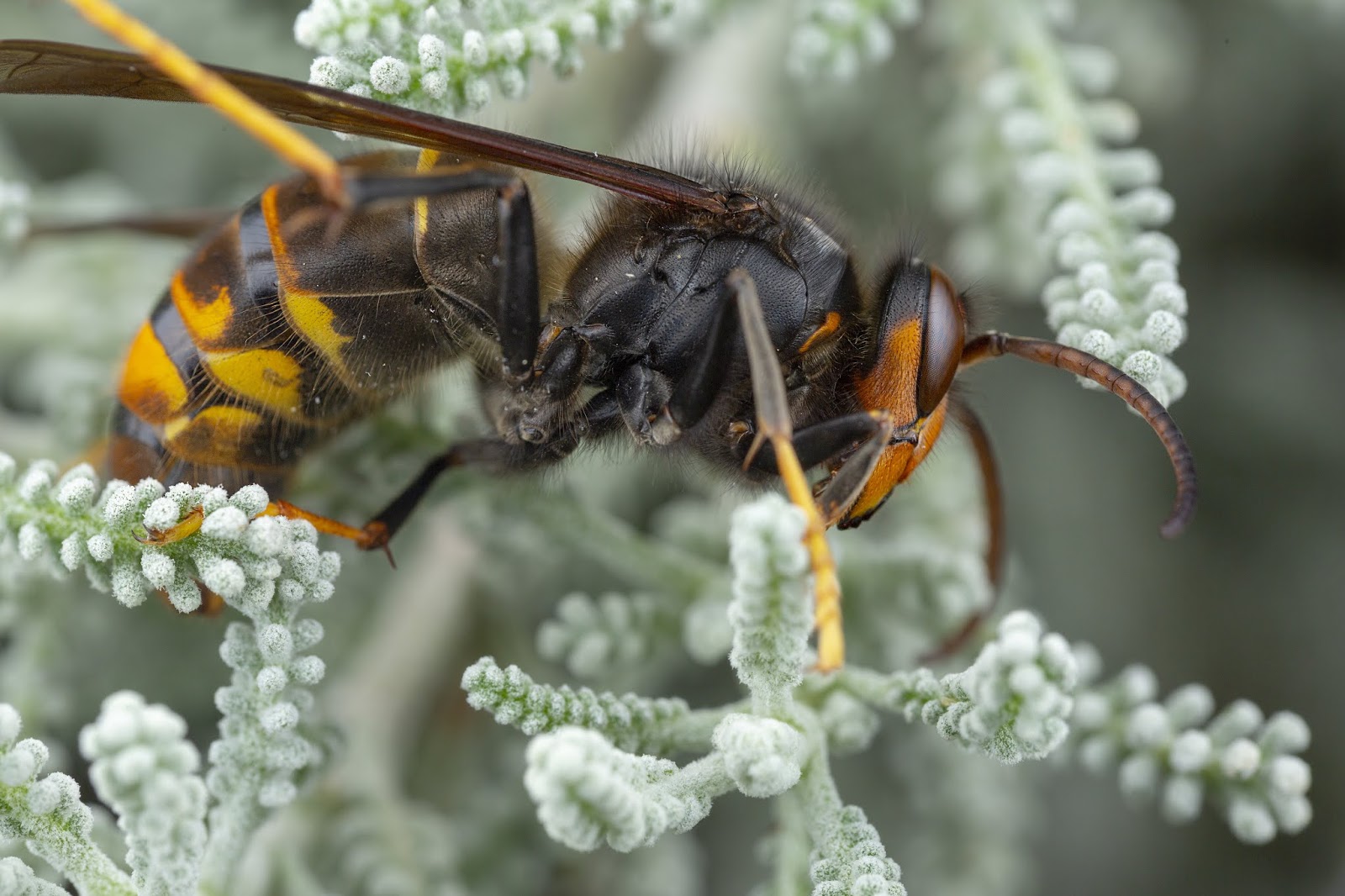
Various articles and memes have been circulating social media involving the Asian giant hornets (Vespa mandarinia), which have recently come to be known as “murder hornets”. These articles report that the Asian-based hornets have made their way to the United States, causing concern across the nation.

The Asian giant hornet is the world’s largest at roughly two inches long in length. It has a distinctive black tooth used for burrowing. Its stinger is also very large at about a quarter inch in length.    The concern regarding these hornets is certainly warranted as they do pack a painful sting. Scientists are currently working on locating these wasps and prevent their spread across the US.

The hornets have become infamous on the internet, but this news was originally shared with the public to increase awareness. In the state of Washington, where a couple of spotting’s of these hornets have occurred, information regarding these citing’s was shared to ensure the public would keep a look out for and report any possible nests. The reason we do not want the Asian hornets in the U.S. is due largely in part because they eat and kill honeybees and can be a threat to the honeybee population.

The good news is the Asian giant hornet, a non-native species in the United States, is not found in Texas and the reality of this being a concern for Texans is rare. In fact, mosquitoes, bees and yellow jackets can be more of a concern when it comes to bites & stings. If you are stung by a bee, wasp, or hornet, you can do the following. 

  • Remove the stinger by scraping across the skin with a credit card.
  • Apply ice or cool water for 10 to 30 minutes after the sting.


If you think you have been stung by a bee, wasp, or hornet, contact the Texas Poison Center Network at 1-800-222-1222 for treatment advice. If you are having an allergic reaction that includes difficulty breathing dial 911.  The poison center is available 24 hours a day, 7 days a week to help. For more information on the Asian giant hornet visit https://www.nationalgeographic.com/animals/2020/05/asian-giant-hornets-arrive-united-states/ and for more information on bites and stings visit the Texas Poison Center Network’s website at  www.poisoncontrol.org.

Monday, April 27, 2020

TPCN SPI Spotlight: South Texas Poison Center Arika Mike


1. Tell me your history with poison control and how you became a SPI. (Length of time worked there/background/passion for this, etc.)

I have worked as a SPI for nearing two years, starting at the New Mexico Poison & Drug Information Center and now currently at the South Texas Poison Center. I have had an interest in poison control since I was a student pharmacist at the University of New Mexico College of Pharmacy. I served as Poison Prevention Co-Chair for the Student Society of Health-System Pharmacy professional organization at my school during my 2nd year and completed a rotation at the New Mexico Poison & Drug Information Center during my 4th year. After graduating pharmacy school, I completed a PGY-1 Community Pharmacy Residency with Baylor Scott & White Health. I was able to do a rotation at the Central Texas Poison Center where my passion for poison control grew even further. I appreciate that I get to directly help my community by providing quality information to patients and providers in emergency situations.

2.  I’m sure you hear a lot of interesting stories when answering calls, but what is one story that sticks out in your head that might have been scary, but turned out funny and/or everything worked out after the call.

I got a call from a mom recently and her child had got into a Tide Pod that had burst in the child’s mouth, the child was vomiting at the time and mom was very concerned. I told mom that we can watch this at home since it had just happened and sometimes the soap in the Tide Pods can be upsetting to the stomach. I told mom what "red flag" symptoms that she would need to go immediately to the hospital for (continued vomiting, trouble breathing, drowsiness or coughing). When I called back mom didn’t answer, but after the second call a few hours later I was able to speak with mom. She ended up taking the child to the hospital because of drowsiness. The patient developed no further symptoms at the hospital. Mom voiced gratitude for poison control being there to walk her through a scary situation and that I had taken the time to follow-up with her to make sure the child was okay.

3. What do you think people need to know about the people who answer the phones for poison control?
Often callers wonder why we ask so many questions during a call from their child’s weight to whether they have any health problems. I think people need to know that the specialists who answer the phones are healthcare providers who are actively making decisions that impact each individual patient’s care.

4. What do you enjoy most about your job and why?

As a pharmacist I have always enjoyed explaining something that can be complex in a way that a patient can understand. With poison control I am able to do this, and I enjoy working with unique and interesting cases.

5. Why do you think it is important for people to have poison control as a resource for emergency help?

I think it is important for people to have poison control as a resource because many exposures can be managed at home, which is a huge cost saver for patients and for the public.