Friday, April 8, 2022

TPCN Spotlight: SPI Michael Tedder


1. 
Tell me your history with poison control and how you became a Specialist in Poison Information.

I just joined the Central Texas Poison Center at the beginning of March. For the last six years, I have worked as an ER nurse and when I saw the ope ING for the Poison Center so close to home I just felt it was the right time to make a change. 

2. I’m sure you hear a lot of interesting stories when answering calls, but what is one story that sticks out in your head that might have been scary but turned out funny, and/or everything worked out after the call. 

I really have not been involved with enough cases to have any good stories yet, but I have heard some good ones and I look forward to collecting my fair share. 

3. What do you think people need to know about the people who answer the phones for poison control?

I have seen that there is a lack of understanding by much of the general public that we are the go-to resource for poisonings and envenomations. 

4. What do you enjoy most about your job and why?

Right now I am really enjoying learning about an entirely different aspect of Healthcare and the challenges that this shift in my practice brings. 

5. Why do you think it is important for people to have poison control as a resource for emergency help?  

With the rising costs of Healthcare, and pretty much everything else, we serve as an essential resource for people experiencing a poisoning emergency. Helping to keep those who do not need to be in the emergency department at home and ensuring those resources are there for those that need them are more important than ever.


Thursday, March 10, 2022

Celebrate Poison Education Month and Poison Prevention Week by Being Prepared


March is a big month for poison control. Throughout March, the Texas poison centers will participate in educational events in schools, libraries, and online. They will also celebrate a significant week, Poison Prevention Week, March 20-26, 2022. This time of year is a great reminder to become better informed about keeping yourself and others safe from unintentional poisonings.

As we focus on ensuring that our families and ourselves do not get unintentionally poisoned, now is a great time to take a walk around your home and see if it is poison safe! In this blog, we will share a few tips to keep your home safe at all times of the year.

First, when we think of poisons, we usually think of dangerous chemicals or items you might find under your kitchen sink or in the garage. The poison centers get calls for all types of unintentional poisonings, whether from a bite or sting, a medication mix-up, or a plant. There are so many different calls that come into a poison center. While thoughts of accidental poisonings can be scary, the poison control toll-free helpline (1-800-222-1222) is there when you need it the most.

Essential Facts and Tips to Remember

·       The most common exposures are to medicines, plants, pesticides, and cleaning products in children six and under.

·       Child-resistant packages do NOT mean childproof. Most two-year-olds can open a child-resistant container in 4 to 5 minutes or less. It is best to keep medicines locked up and away and out of reach for children.

·       Calling 1-800-222-1222 from anywhere in the United States will connect you to a local poison center. The poison centers are available 24/7.

·       Never refer to medicine (prescription, vitamins, or otherwise) as candy, as children may mistake tiny pills or medication in gummy or candy form as actual candy.

·       Check furnaces annually. Make sure carbon monoxide detectors are in the house and checked multiple times a year. This is especially important for the winter months.

·       Stay out of wooded overgrown areas. This will help to prevent insect stings, snake bites, or coming in contact with a poisonous plant.

·       Remind grandparents and other caretakers to poison-proof their homes before bringing little ones over.

If you or someone with you has been unintentionally poisoned, remember first to remain calm. Then call the toll-free Poison Help line right away at 1-800-222-1222. Stay on the phone with the poison control specialist and follow all the instructions. For more information on accidental poisonings and what you can do to protect yourself and your loved ones, please visit the Texas Poison Center Network website at www.poisoncontrol.org

Thursday, February 10, 2022

COVID-19 At-Home Test Kits: Beware of Potential Dangers


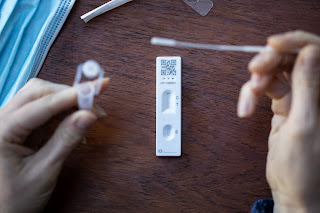
The Texas Poison Center Network wants to warn people about the potential dangers involving COVID-19 at-home test kits. Since COVID-19 at-home test kits are available to every home in the U.S,  over 60 million people have ordered them. Poison centers are receiving calls, and many of these calls come from people (mainly small children) ingesting the liquid, also known as the reagent, in the COVID at-home test kits.

The chemicals in the test kits can vary, but the most common chemical in test kits is called sodium azide. You might be familiar with it because it is the chemical used in airbags to make them deploy. In large quantities, sodium azide is poisonous. Fortunately, the amount of sodium azide in COVID-19 test kits is minimal and mainly used as a preservative.

It is important to read the directions thoroughly as this chemical is not meant for ingestion. It should be kept locked, up and away, and out of reach of children. Accidentally swallowing it could cause nausea and vomiting. If accidentally splashed or used in the eye, it could cause burning and irritation. Make sure to clean your eye out with warm water for at least 30 seconds and call poison control at 1-800-222-1222 right away.

For more information on COVID-19 at-home test kits or any concerns regarding these kits, don't hesitate to get in touch with your local poison center any day or time of the week. We staff specialists in poison information who are ready to take your call and bring you peace of mind when you need it the most. 

Friday, December 17, 2021

Holiday Hazards to Look Out For and Tips on How to Stay Safe, from the Texas Poison Center Network


As you prepare to celebrate the winter holidays this season, remember to keep safety in mind, especially when it comes to potential poisonings. If you follow these tips, you can help ensure you have a poison-free holiday!

Poison Proof Your Home

Secure all medicines, cleaning products, and personal care products by putting them up high, locked- up, and out of sight and out of reach. This includes items in purses, backpacks, and other regularly accessed places that kids might look through curiously.

Beware of Carbon Monoxide

Carbon monoxide is a silent killer. Remember never to use a gas stovetop, gas oven, or charcoal grill indoors for heat. Also, make sure to keep any flammables away from floor furnaces. Make sure you have carbon monoxide detectors in your home and change out the batteries twice a year. It could save your life!

Button Batteries

Some toys and gifts can have flat, coin-shaped batteries, usually called button batteries. These can be very dangerous if swallowed. They can cause serious internal injuries. Keep all batteries locked- up and out of sight.

Food Safety

It is always essential to take precautions to prevent food poisoning. Always wash your hands before and after handling food. Ensure all counters and cooking utensils, such as cutting boards, are kept free of germs by spraying them down with a kitchen cleaner or using soap and hot water. Lastly, make sure not to leave food sitting out too long. Make sure to put leftover food away in the refrigerator to be safely eaten later.

Traveling this Holiday

If you plan to travel this holiday season, use this guide from the CDC before you go.

Before you travel:

•            Research your destination's COVID-19 restrictions.

•            Plan to meet any testing or vaccination requirements for travel.

During travel:

•            Wear a mask and pack extras for your trip.

•            Practice safety steps like washing your hands often and choosing safer options like outdoor visits with family.

•            Isolate and follow guidance if you get COVID-19 on your trip.

Call your local poison center in Texas at 1-800-222-1222 for help with a potential poisoning or questions regarding poisons. Trained pharmacists and nurses can help 24-hours a day, seven days a week.  Never hesitate to call! 

Tuesday, November 23, 2021

TPCN SPI SPOTLIGHT: Cesar Delgadillo, BSN, CSPI


Meet Cesar Delgadillo!

"I live in El Paso, Texas with my wife, 4 kids, 3 dogs, (Chihuahua mix female, Yorkie male, & Schnauzer male) & 2 female Cockatiel birds.  I am a first-generation college graduate, the first in my family to go to college, and a culinary school dropout."

"If I could live anywhere in the world, it would probably be somewhere with no traffic, off-grid, in a cabin somewhere by a nice forest for a summer."

What motivates you to work hard? 

"To serve the public, help those in need."

Favorite thing about your career?

"It puts a smile on my face when we make a positive impact in someone's life."

Do you prefer reading or movies? 

"I prefer to watch movies for entertainment."

Favorite sport or sports team?

"Dallas Cowboys!"

Have you learned anything new since we have been quarantined at home during COVID that you enjoy? 

"I learned I enjoy having 6 feet of separation (social distancing). I don't like people up in my personal space!

Favorite hobby when you are not working?

I like smoking on my days off.... Brisket, Chicken Wings, Pork, and Barbacoa.


Friday, November 5, 2021

Cough Medicines and Children: What You Need to Know

When our children get sick, we want to do everything we can to make them feel better. Many times, the first thing we think of is to give them medications to treat their symptoms. But what is the best treatment for your child if they have a cough or cold? According to the Food and Drug Administration (FDA), you should not give children younger than two years of age cough or cold medication, as it could do more harm than good.

A recent report by the Pediatric Cough and Cold Safety Surveillance System, which tracks fatal child poisonings, found 40 deaths linked to medications. Of these medications, they found that the most concerning ones contained diphenhydramine, a common antihistamine found in cough medicines. This medication has a tendency to make people tired, but when given to young children, it can sometimes have an adverse reaction and act as a stimulant.

Medications with antihistamines should not be given to young children because there is very little evidence suggesting that it helps their cough or cold, and instead can cause dangerous side effects. For that reason, it is usually best for parents and caregivers to let the cough or cold run its course instead of using cough or cold over-the-counter (OTC) medications.

If you are concerned your child is not getting better, please contact your health care provider for more information. If you think your child might have accidentally taken too much medication or is having an adverse reaction to anything taken, please do not hesitate to call the Texas Poison Center Network at 1-800-222-1222. Nurses and pharmacists are available to answer your calls around the clock for anything involving poisons.  They are always there to help you when you need it the most. 

Friday, October 15, 2021

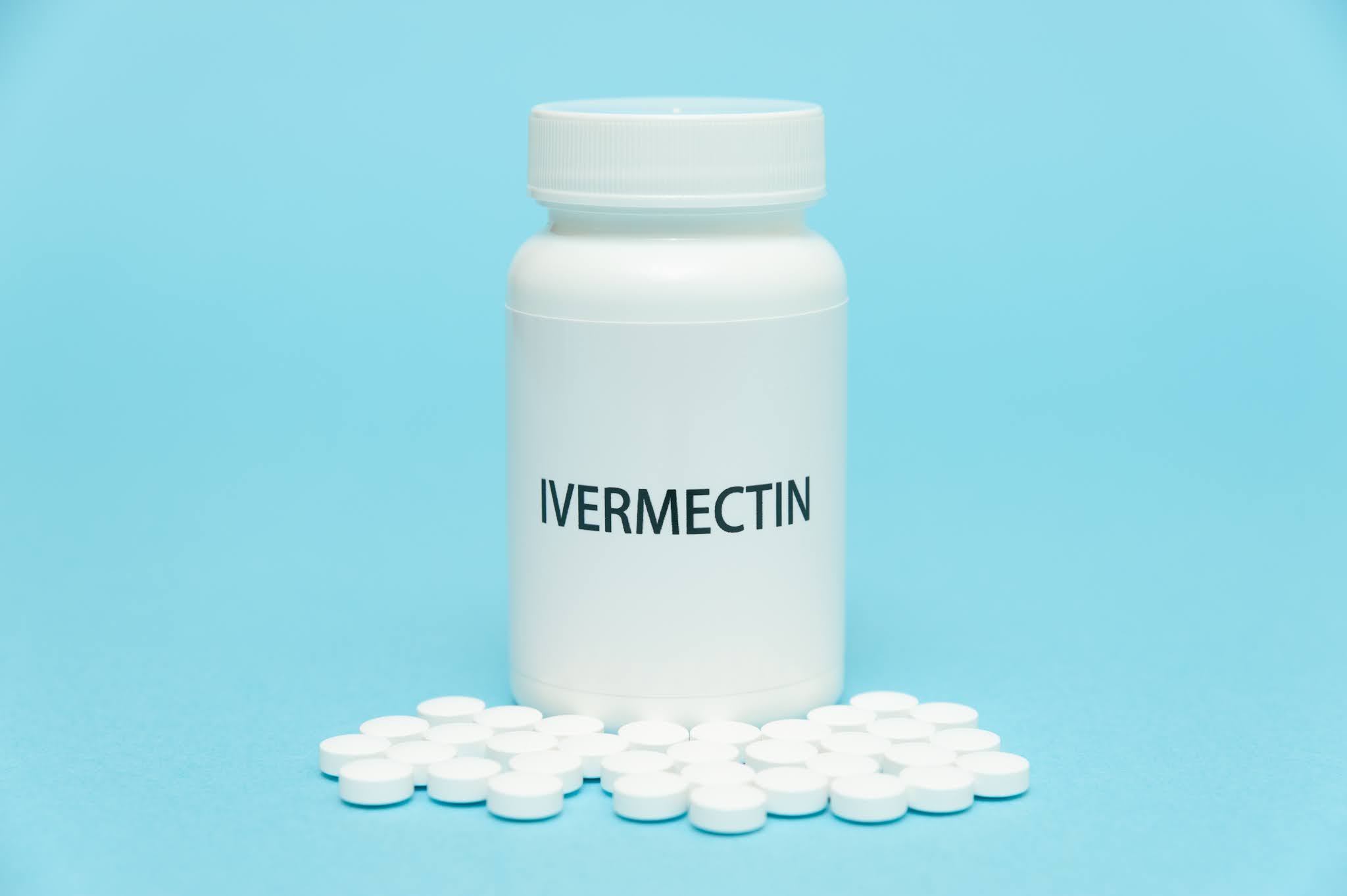
What You Should Know When It Comes to Ivermectin Use in People

Since the pandemic started, people have been trying their best to stay healthy and not catch COVID-19. In recent months there has been a lot of information shared online and within the media about the use of ivermectin in humans. Some information is factual while other information is not. In this blog, we cover the basics of ivermectin and what you should know.

What is Ivermectin?

Ivermectin is a medication primarily used in animals to kill parasites in the stomach. Many states require a prescription to purchase it, but in Texas, you can find this at a local feed store for horses and cattle (these are NOT approved for human use). When it comes to the use of this drug in humans, ivermectin is only FDA-approved as a prescription antiparasitic that assists in treating river blindness, strongyloidiasis, and onchocerciasis. A topical form can also be used to treat rosacea and head lice. Currently, it is not approved for the treatment of COVID-19.

Since the use of ivermectin for COVID-19 has been circling the internet, many have purchased ivermectin for use. The Texas Poison Center Network has received many calls. Some cases have resulted in severe toxicity. Toxicity can cause these symptoms:

·       Nausea and Vomiting

·       Diarrhea

·       Headache

·       Dizziness and Fatigue

·       Visual Changes

·       Skin Rashes

·       Low Blood Pressure

      Fast Heart Rate

In more severe cases, it can cause coma, seizures, hallucinations, and tremors. So, what is causing individuals to overdose on ivermectin? If you were to purchase ivermectin at a feed store, it might come in a paste format (usually flavored, too!). Keep in mind, this paste format is highly concentrated. Ivermectin is made for a horse or cow, weighing practically a ton more than the average human being. High doses such as this, when used in humans, are highly toxic.

If you or a loved one has come in contact with ivermectin, please reach out to the poison center for help. We have nurses and pharmacists who answer the phone around the clock. Take the time to save this number on your phone: 1-800-222-1222