Friday, March 19, 2021

Poison Prevention Week 2021: Prepare. Prevent. Protect.


It has been an unprecedented past year for everyone, especially Texans. After over a year of working our way through a pandemic and fighting through an ice storm that knocked out over 5 million people’s power for days in February, we can say we have had a tough year.  The Texas Poison Centers have also seen a rise in calls, involving everything from hand sanitizers to different cleaning products, and even carbon monoxide poisoning. All of these calls are a reminder of how important the poison help line is to the community.

National Poison Prevention Week (NPPW) is March 21st-27th, 2021. This year’s theme is Prepare. Prevent. Protect. In 1961, the United States designated the third full week of March as National Poison Prevention Week, a week dedicated to highlighting the dangers of poisonings. Poisonings are currently the leading cause of injury related death in the country.  Keep in mind that most poisonings are preventable. For those that are not, a poison expert is only a phone call away and ready to assist you. Save this number in your phone for when you need it: 1-800-222-1222.

Poison centers are an incredible resource when it comes to major public health emergencies and pandemics that keep families isolated in their homes for long periods at a time.  Poison centers not only assist the public with their poisoning concerns, but they also assist the first responders and hospital personnel while they are dealing with your poison emergency.  They even assist in identifying emerging threats, like new drugs of abuse hitting the streets or potentially dangerous products entering the market.  Poison center personnel also provide countless hours of educational outreach for both the public and healthcare professionals.

Here are some poison facts and tips to remember:

  • In children ages six and younger, the most common exposures are to medicines, personal care, and cleaning products.
  • Child-resistant packages are not childproof. Most two-year olds can open a child-resistant container in 3 minutes or less.
  • Calling 1-800-222-1222 from anywhere in the United States will connect you to your local poison center.  
  • Keep all poisons locked up, away and out of reach of children.
  • Never refer to medicine (prescription, vitamins or otherwise) as candy as children often mistake tiny pills for yummy candy.

If you believe you or someone you know has been exposed to a poison, remain calm and immediately call the toll-free Poison Help line at 1-800-222-1222. Follow all the instructions you are given by the poison control specialist. For more information, visit the Texas Poison Center Network website at www.poisoncontrol.org.


Thursday, January 7, 2021

Reminders of What We Learned in 2020

The year 2020 has served as an unparalleled time. The sudden emergence of COVID-19 left many
Americans concerned for their health and wellness. The Texas Poison Center Network (TPCN) has also dealt with the repercussions of the pandemic and we’d like to share with you some of the top poison calls of 2020 in Texas.

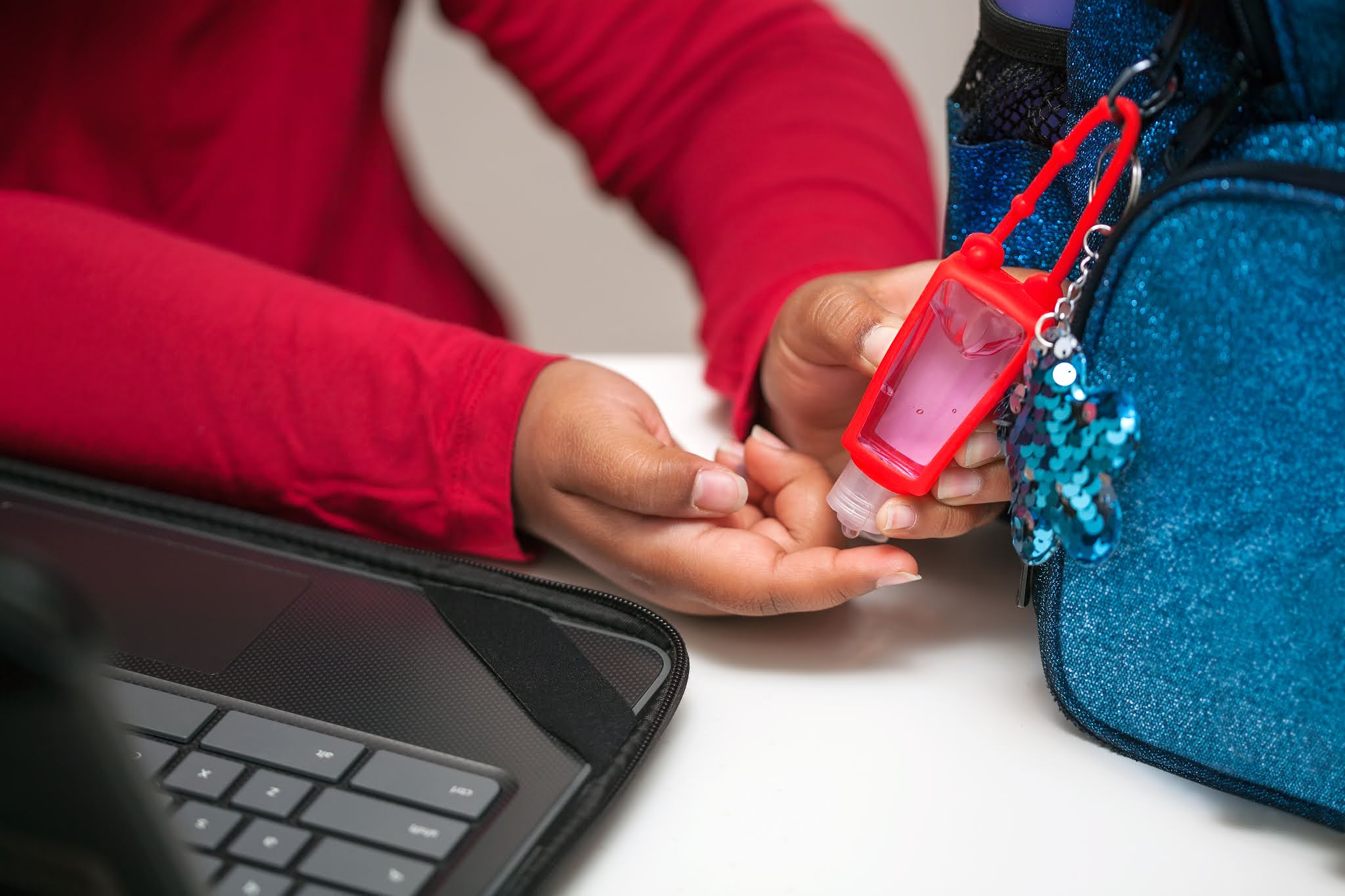
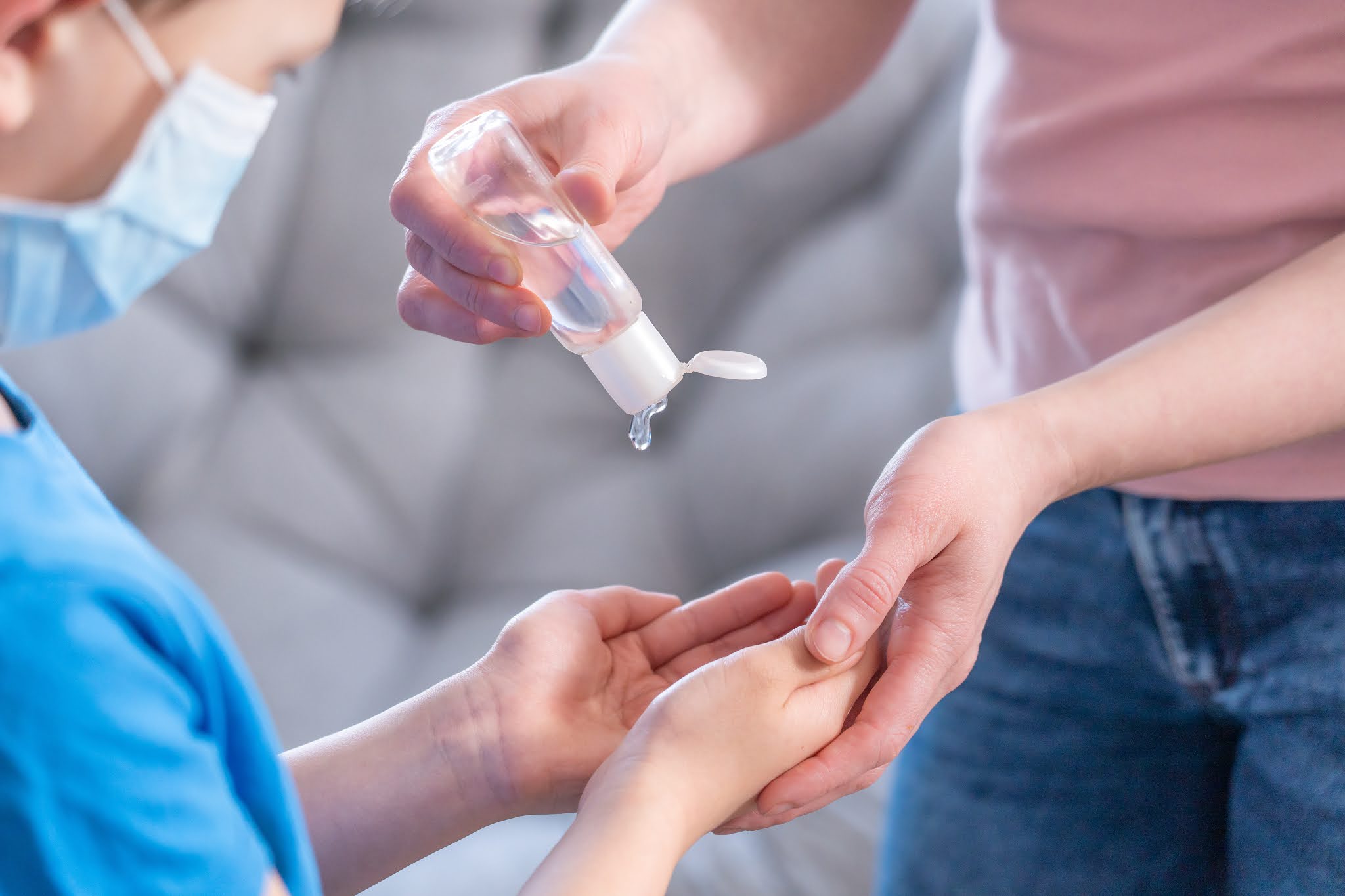
  • Hand Sanitizers: With over 2,500 calls involving hand sanitizer, it is safe to say people were using this more than ever in an effort to stay germ-free. An increase in use, makes for more potential accidents involving children getting into the sanitizers or other potential misuse. Hand sanitizers often contain alcohol, such as ethyl alcohol, an active ingredient that works as an antiseptic. Additionally, hand sanitizers often include other ingredients such as water, fragrance, and glycerin. For a list of unsafe hand sanitizers to avoid, visit this FDA link. Read more on hand sanitizer safety at our Hand sanitizer blog.
  • Bleach and Cleaning Supplies: Texas Poison Centers received over 4,000 calls regarding bleach this year. Many of the calls involved the mixing of bleach with another cleaning agent. Mixing cleaners can cause harmful reactions that can be deadly. Check out our blog on this topic here.
  • Melatonin: The TPCN had over 4,700 calls in 2020 for melatonin. Melatonin is a hormone that is produced naturally by the body and many people take a melatonin supplement at night to help them fall asleep. Taking too much of supplemental melatonin can disrupt your sleep-wake cycle. Although relatively safe, it can also cause side effects such as nausea, vomiting, headaches, anxiety, diarrhea, joint pain, and sometimes seizures. Please consult your doctor to determine what is the right dosage for you.
  • Vitamins (Multivitamins, and Vitamin D specifically): Many vitamins can be a cause of concern if too much is ingested. Too much vitamin C or zinc can cause nausea, diarrhea, and stomach cramps. Too much selenium can lead to hair loss, gastrointestinal upset, fatigue, and mild nerve damage. Please call poison help at 1-800-222-1222 if you suspect a vitamin overdose.

The poison centers are always ready to take your call and assist with your poison emergency or questions. Whether you have a mix-up of medications or have a bite or sting from a critter, the poison centers can help. Over 90 percent of calls happen in the home, so it is important to have the poison number close by. Save this number in your phone: 1-800-222-1222. You never know when you might need it.

Thursday, December 10, 2020

Several Reasons to Save the Poison Help Line in Your Phone this Holiday Season


It is the most wonderful time of the year, but it can also be the most dangerous. The Texas Poison Center Network is an incredible free resource for the community. Specialists in Poison Information can provide answers to all your questions and concerns regarding your health and any potential poisoning, especially around the holidays. You never know when you might need to call them, so take a moment to save this number in your phone:
1-800-222-1222.

Here are five reasons to call Poison Control during the Holiday Season:

1.     For Potential Medication Mix-Ups: More people are home during the holidays and leaving out medications where others could get to them could lead to medication mix-ups. If you accidentally take something, or someone you know took something they should not have, then please contact a poison center for help.

2.     If you are Not Sure if Your Child Ingested Something: Over 60 percent of poison calls come from parents or guardians of children under six. That is why it is important to keep medications and cleaning supplies locked up, away and out of reach of children. If you find your loved one with something in their mouths or feeling ill from something ingested, please do not hesitate to call a poison center for help!

3.     For Any Bite or Sting Help: Although most bites or stings can hurt, they are not all worrisome. Most people will feel better with a little first aid. If you are having an allergic reaction to a bite or sting, you can call the poison center for assistance. They can help identify and alleviate the issue with a simple phone call.

4.     For Medication Identification: Do you have family visiting for the holidays? It is common for family members to keep their medication in a daily pill reminder. These are helpful to the user but can be dangerous with children around since they are easy to get into and can spill on the floor. If you find a medication on the floor and are not sure what it is, you can call a poison center to help identify the medication.

5.     For Any Interaction with a Poisonous Plant (especially some holiday plants this time of year!): Christmas trees, Christmas cactus, holly berry and mistletoe are just a few of the holiday plants that can either cause irritation to the skin or cause other adverse reactions if eaten or swallowed. These types of trees or plants should be left out of reach of children.

 The Texas Poison Center Network wants you and your family to stay safe, especially this holiday season. Remember- if you ever need us, please call 1-800-222-1222. You can also learn more about poisons by visiting www.poisoncontrol.org.

Tuesday, October 20, 2020

Rise in Calls to Poison Centers on Disinfectants and Hand Sanitizers


Since COVID-19 hit the United States earlier this year, many people have been staying home and practicing social distancing. Many have also made efforts to ensure their home is free of germs by using disinfectant products and hand sanitizers. Calls to Texas Poison Centers regarding hand sanitizers alone has risen by 80 percent compared to last years data.

Poison center educators want you to practice safe use when it comes to using disinfectants and hand sanitizers. Here are some tips to help in keeping you and your loved ones safe:

·       Keep all disinfectants and hand sanitizers locked up, away, and out of sight.

·       Always follow the instructions on the label of any product, including disinfectants and cleaners.

·       Pay attention to any warning labels on the product label and follow those warnings accordingly.

·       Always store products in their original containers. Moving them to other types of containers can cause confusion for children and adults alike. For example, if you poured Windex into a Gatorade bottle, someone could mistake it for Gatorade and accidentally drink it.

·       Never mix cleaning products! The results could be deadly. Check out one of our previous blogs on mixing cleaning products to learn more.

·       It is always a good idea to wear gloves when working with disinfectants or cleaning products, especially if the instructions tell you to. It helps protect your skin from any chemical reactions.

·       If you keep disinfectants or hand sanitizers in cabinets that children can reach, be sure to use effective child locks so that children cannot get to them.

·       Teach your kids, from a young age, about the dangers of all household products & potential poisons, and to never put them in their mouths.

If you find yourself in a poison emergency, call the poison experts at 1-800-222-1222. They are available to assist you with any questions or concerns 24/7. For more information on poison safety, please visit www.poisoncontrol.org.

Friday, September 25, 2020

TPCN Spotlight: North Texas SPI Arpan Patel

  1. Tell me your history with poison control and how you became a Specialist in Poison Information (SPI).

    My journey into the realms of poison control began in March 2019. I believe I found the opportunity to work at a poison center by chance, as I had no idea it was something I could do with my educational background. Working at NTPC has solidified my understanding of the important role poison control centers play in serving the community.  
     
  2. I’m sure you hear a lot of interesting stories when answering calls, but what is one story that sticks out in your head that might have been scary, but turned out funny and/or everything worked out after the call. 

    Insulin calls during the evenings are always memorable as they involve frequent callbacks throughout the night. Callers are always appreciative of the concern we show them by checking in on them and the education we provide to prevent similar episodes in the future. 
     
  3. What do you think people need to know about the people who answer the phones for poison control? 

    We are medical professionals who provide medical assistance and care to a variety of individuals including healthcare workers and the general public.  As a result, it’s second nature for us to ask a lot of questions to get a better idea of what’s happening so we can give accurate recommendations. 

  4. What do you enjoy most about your job and why? 

    It’s humbling to be able to help callers daily and make a difference.  
  5. Why do you think it is important for people to have poison control as a resource for emergency help? 

    Apart from playing a key role in formulating treatment plans for sick patients, poison control centers reduce overall healthcare costs by preventing unnecessary ER visits and hospitalizations. This conserves healthcare resources for those requiring it the most and has proven beneficial especially during the current pandemic.  


Monday, September 21, 2020

Baby Safety Month: Tips on Keeping Babies Safe at Home

September is Baby Safety Month. With children at home more than ever, it is even more important that medications and cleaners, just to name a few of the dangers lurking at home, are locked and stored up and away and out of sight of young children. Having babies in the home can be an exciting time. To keep your home safe and fun for the little ones, make sure to follow these important tips from the Texas Poison Center Network.

Poison Safety Tips

·       First and foremost, pull out your cell phone and save this number, you never know when you might need it! Poison Center Help: 1-800-222-1222.

·       When it comes to measuring medications for babies, always use measuring syringes or dropper provided with the medication from the pharmacist or doctor. Also, always make sure you give them the correct amount.

·       Cleaning products, usually stored under cabinets, should be moved to another location that is out of sight and out of reach of young children.

·       Remember, once your baby is crawling, he or she can get to anything on the floor. That means you want to ensure there are no dangers within reach (roach bait, rat poison, medications dropped by mistake, etc.)

·       Medicine needs to be out of reach and locked up and away too. Is a purse or a nightstand a good place for your medications? Not with a baby or children around. Lock them up somewhere out of reach. 

·       Children’s medicines, like vitamins and cough syrup, can taste great to kids! If your child can get to these medicines, he or she may take the entire bottle.  Keep all medicines locked up and out of reach.

·       Check your yard for any poisonous plants or flowers too. You never know what babies will put in their mouth.

These are just a few important tips to help ensure your baby stays poison-free. For more information on poison control and tips for babysitters and more, please visit the Texas Poison Center Network website at www.poisoncontrol.org. And if you EVER find yourself or a loved one in a poison emergency, please do not hesitate to call us for help at 1-800-222-1222.

Sunday, September 13, 2020

FDA Puts Limits on Arsenic in Baby Rice Cereal


Recently, the Food and Drug Administration (FDA) issued a final limit on the amounts of arsenic in baby rice cereal. This is the first time the FDA has put any limits on any food that could contain arsenic.

It is widely known that white cereals with certain grains can sometimes contain arsenic, but rice cereals can be much higher. Rice cereals, due to their absorption rate, may contain up to ten times more of the heavy metal. 

What is Arsenic?

According to the CDC, arsenic is a naturally occurring element that can combine with either inorganic or organic substances to form many different compounds. Simply stated, inorganic arsenic compounds can be found in soils, sediments, and groundwater. These compounds can happen either naturally or because of mining, smelting, or when using arsenic for industrial purposes. Organic arsenic compounds, on the other hand, are found primarily in fish and shellfish.

Here’s an interesting fact! Back in the day people used inorganic forms of arsenic in pesticides and paint pigment. People also used them thinking they were good for preserving woods as well a way to treat a variety of ailments. Luckily, we know better now and there are laws that restrict using arsenic-containing pesticides, wood preservatives, and medicines.

The Effects of Arsenic on Your Health

According to the CDC, large doses of inorganic arsenic can cause symptoms ranging from nausea, vomiting, and diarrhea to dehydration and shock. Long-term exposure can cause certain medical conditions such as skin disorders, high blood pressure, and even several types of cancer.

The FDA has now established a limit for inorganic arsenic of 100 parts per billion (ppb) in baby food. This is a voluntary limit and unenforceable currently. With the cooperation of makers of these products, we can hope to see arsenic completely out of baby foods. For more information on arsenic in food products, please visit the FDA link here.

If you or a loved one is experience symptoms like these, please reach out to the Texas Poison Center Network for guidance and help. We are available 24 hours a day, 7 days a week at 1-800-222-1222.